
Around Christmas time last year, my friend text me and said this: “My friend’s husband died of cancer on Tuesday. Any tips on how to support?”
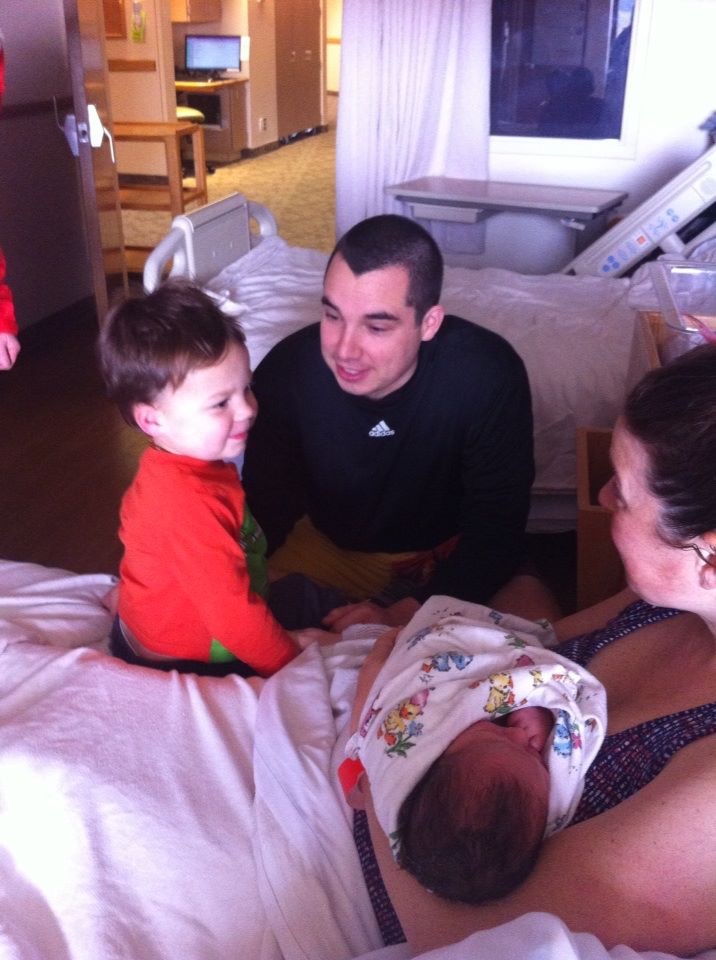
She asked me this because one of my oldest friends became a widow, losing her husband to brain cancer. He was diagnosed only three months after they had welcome their second son. To say she has endured the unimaginable is an understatement.
People experience all kinds of loss and go through all kinds of grief. But more often than not, I think friends are left not knowing how to show up to support their grieving friend.
That’s why I wanted to sit down with my friend, Stephanie, whose husband passed and ask her her tips for showing up, what not to do, and any other pointers for how to support a friend going through and after loss.
Thank you, Stephanie, for sitting down with us. Would you tell us your story and the loss you experienced?
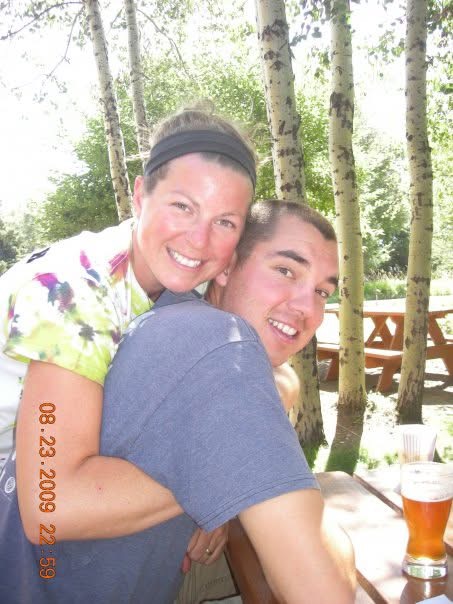
My story starts with meeting the love of my life.
We were at a college party and he was the guy playing the guitar, how cliche right?! Fast forward 12 years and there we were with a beautiful marriage, a toddler, and a baby on the way. We were so happy and living our lives to the fullest.
Three months after our second son was born, Seth came home from playing in a golf tournament. He held our youngest, but after a while said he wasn’t feeling the best. He went and laid down in our bedroom to rest. About 20 minutes after he left, I heard a huge crash down the hallway. I handed the baby to my sister, who was visiting, and ran down the hallway. I found Seth laying on the floor having a seizure.
After scans at the hospital and meetings with specialists, we found out that Seth had a brain tumor and was given 5-10 years to live.
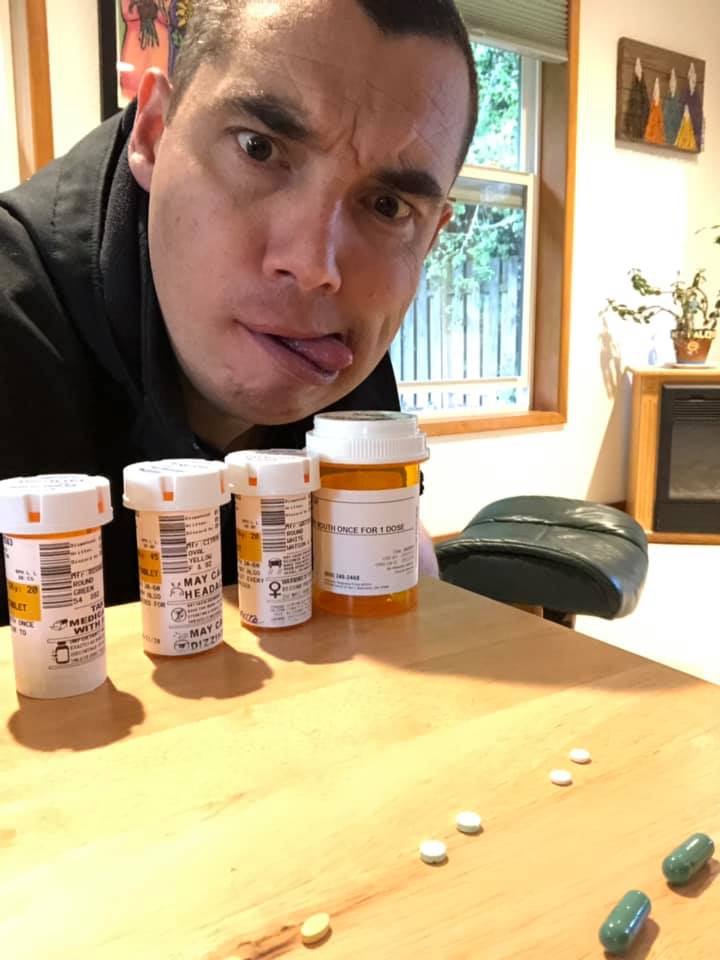
After this diagnosis and proceeding into the next 5 years of our lives together, Seth went on to have 5 brain surgeries, 2 rounds of radiation, chemotherapy, and many trips back and forth from OHSU.
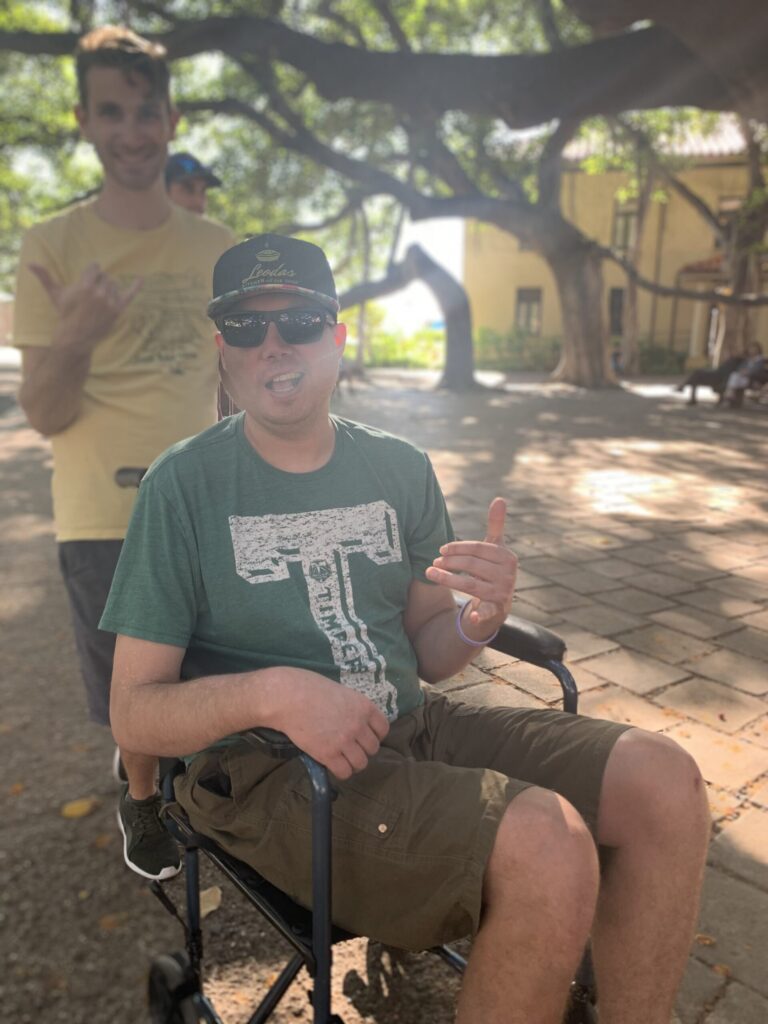
In his last year of life, we discovered that Seth had another tumor growing. This tumor took his ability to walk, see on his right side, and caused his speech to be severely impacted. Seth died peacefully at home surrounded by his family. Our kids were 7 and 4 at the time of his passing.
After Seth was diagnosed we were devastated. We were given a timeline on our marriage and our lives together. We decided then and there that we would live our lives to the best of our abilities.
In between surgeries, radiation, and chemotherapy we found time to take a few trips, play with our boys, and spend time with family and friends.
We also took our mental health seriously by seeing a therapist. We saw separate therapists but also went with each other on occasion.
Seth reached acceptance of his fate way before me and was able to help me through the process. He was so light hearted and joyful all the way to the end of his journey in life. Of course there were hard times, but once Seth had accepted everything you couldn’t keep a smile off of his face.
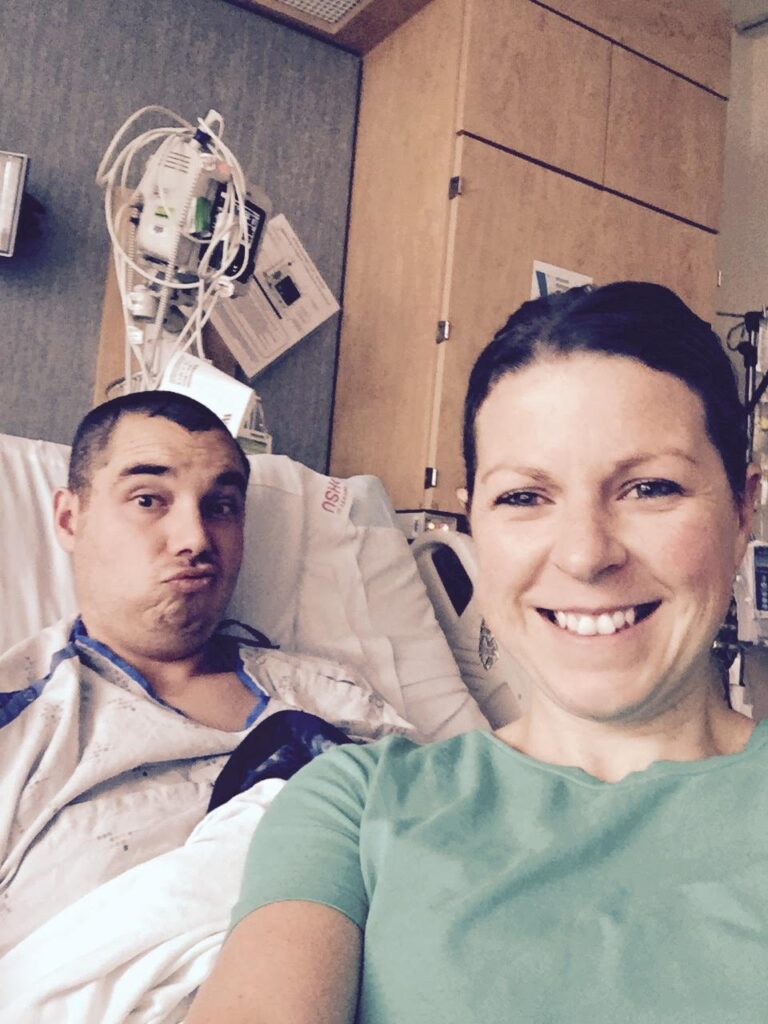
Seth spent his final months with his family, eating, having anyone and everyone take him places, watching sports, watching the Great British Baking Show, and Ellen. Gosh, he loved Ellen!
I miss him everyday and we keep his memory alive by talking about him often. He will never be forgotten, actually you couldn’t forget Seth, even if you tried.
What are your top tips for supporting someone who has experienced, or is experiencing, loss and grief.
- Show-up for them without asking what they need. That means, bring the meal even if you don’t know they are home, say you will take the kids to the park, send them the funny video you saw on TikTok, come rake their yard, bring them a coffee, etc. Don’t make them plan anything or think about what they might need. The worst has just happened, they cannot process anything more.
- When you see them at the store or anywhere in public, don’t give them sad eyes and bring them back to their loss. Tell them how you’re doing and what’s been going on for you. If they want to share, let them do it on their own time, especially when you’re out in public. It probably took them every ounce of energy to go out in the first place, tell them what’s going on in your life.
- Encourage them to see a therapist. Processing loss is very difficult. Talking to someone who is not close to the situation can help keep them grounded and keep important relationships intact.
- Ask them to go out, go on a trip, go on a walk, to the gym, to coffee, lunch, anything that they can look forward to. Having something on the calendar with a friend is so nice.
What is important for family and friends to know about the person experiencing loss?
Everyone is different in their grief journey is number one, but don’t be fearful of saying the wrong thing, or doing the wrong thing, just show up!
The one thing that is consistent, are the people that can see clearly around that person. We need you more than anything during this time! There is a feeling of phantom limb. Something is missing, life feels odd and incomplete.
You also might feel a sense of relief. If you cared for someone for a long time (showered them, fed them, clothed them, pushed them around in a wheel chair, etc.) you might be glad or even relieved that part is over. Caregiving is tough work. You will hear it ALL from this person.
Losing a loved one is traumatic and the feelings come in waves. Just listen, be there, and show up!
What support was most helpful right after Seth got diagnosed and then after he passed away?
It was nice that I was still able to take care of myself…Family, friends, and community members all jumped in to help. I had meals, drivers for the kids, a cleaner for my house, and lawn care. I was able to prioritize what was important and keep the “other” stuff running smoothly.
One thing was that I asked that I had protected physical activity time. I really needed that for myself.
So someone stepped in to watch my kiddos so that I could do that daily if I needed to. I learned to say, “yes, and thank you.” even when I felt uncomfortable doing it. It took some practice but I learned that people wanted to help and if you open the door they will serve as they can.
What kind of support was helpful after the first month after he died? First year? Five years?
After the first month…
After Seth passed, I was sick for a solid 22 days. Grandparents took my kiddos and I spent those days on the couch binge watching TV shows. I think all the stress showed up and took me out.
Then, after the first year…
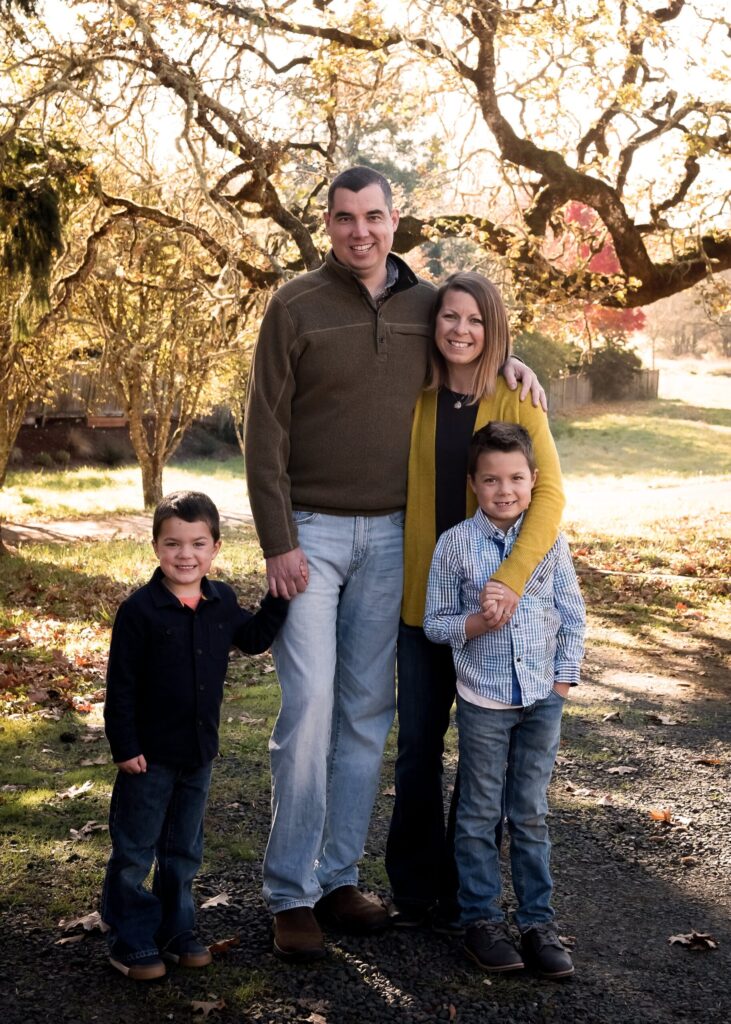
As far as the first year…My kids were my priority and their mental health. I got them both in therapy and we talked a lot about how things were going on a daily basis. We took a note from Seth’s journey and started to talk about what we were grateful for and what was hard on the daily. We scrapbooked, did a timeline of when Seth first got diagnosed to when he passed, played with friends, moved into a new house, and focused on one foot in front of the other.
Then, once a year out from Seth’s death, I think the most important piece from that year for me was writing out Seth’s story. I wrote a letter to the boys with as much detail as I could about everything their dad went through and experienced. They were little when he died, 4 and 7, and so I knew that later on they might have more questions for me and I wanted to have it all available for them. I knew that as time passed I would forget certain things and I wanted to write it all down. I will give them the letter when they’re older and wanting to know more.
And after five years…
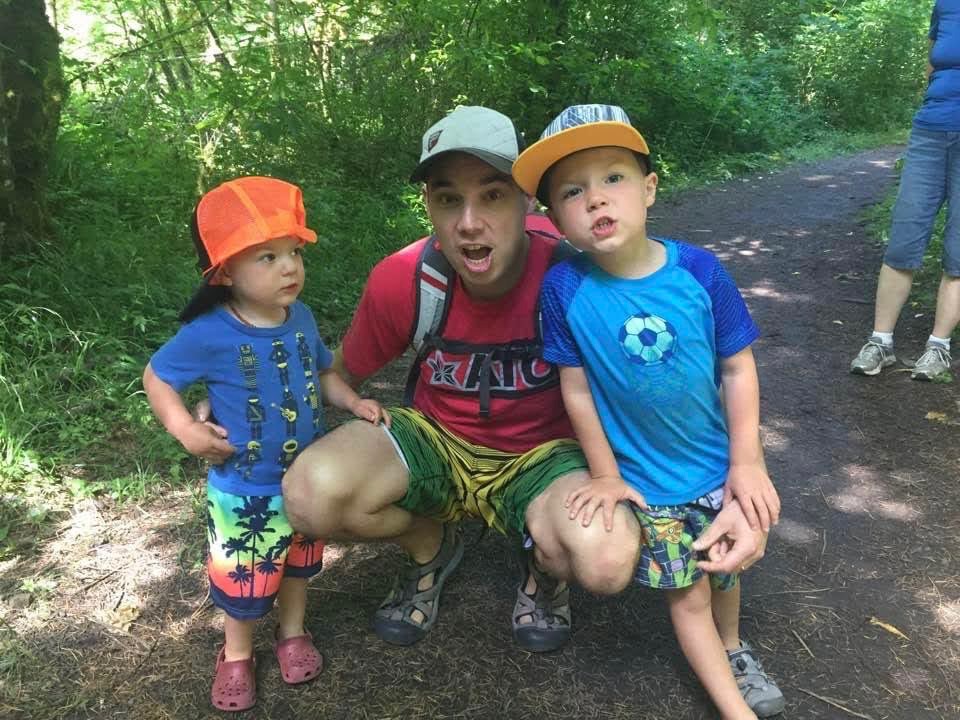
We talk about him weekly. The boys are reminded monthly of how they look or act like their dad. We always have pictures of him up. But my favorite thing that we do is we write one memory about him every year. Seth died on Jan 2, 2020, and so we add his memories to his stocking every Christmas. We also read them together as a family. We have memories from friends and family that are just the best! The boys choose to write him a letter every year telling him what they have been doing and that they miss him.
I’ve heard Holidays and Birthdays can be difficult. How can friends show up during these times?
A quick text or phone call is perfect 🙂
Was there any kind of support that was not helpful?
Just read the room! Ha ha! If I was happy and enjoying the moment, please don’t ruin it by bringing up the loss.
Did anyone show up to support you in a way that you did not expect, but felt really loved/supported?
Everyone and anyone!
I had people I didn’t know help in unexpected ways!
I woke up one morning to a jar full of change and dollar bills that a child had been saving up to help our family.
Also, friends that were my support team and took over the heavy lifting for me in terms of communication to the community was huge.
Or friends sitting with me at the hospital.
The support financially was huge! If people had extra they gave it to us. I felt an overwhelming sense of gratitude for the love and support we had. It was incredible.
Any advice or wisdom for the person who is grieving?
You can do this. You’re not alone. This too shall pass. Live, because you get to. Feel and express your pain in healthy ways and then move forward. You get one life so live it to the fullest. The person who loved you wouldn’t want anything different for you than that. You will be happy again.
I used to think that these one liners were so corny but they’re there for a reason. They help and they have helped. So use them, pay attention to what they are actually saying, and do your best.





Leave a Reply